
When Medical Care Becomes Traumatic: Understanding Medical Trauma and How Therapy Can Help
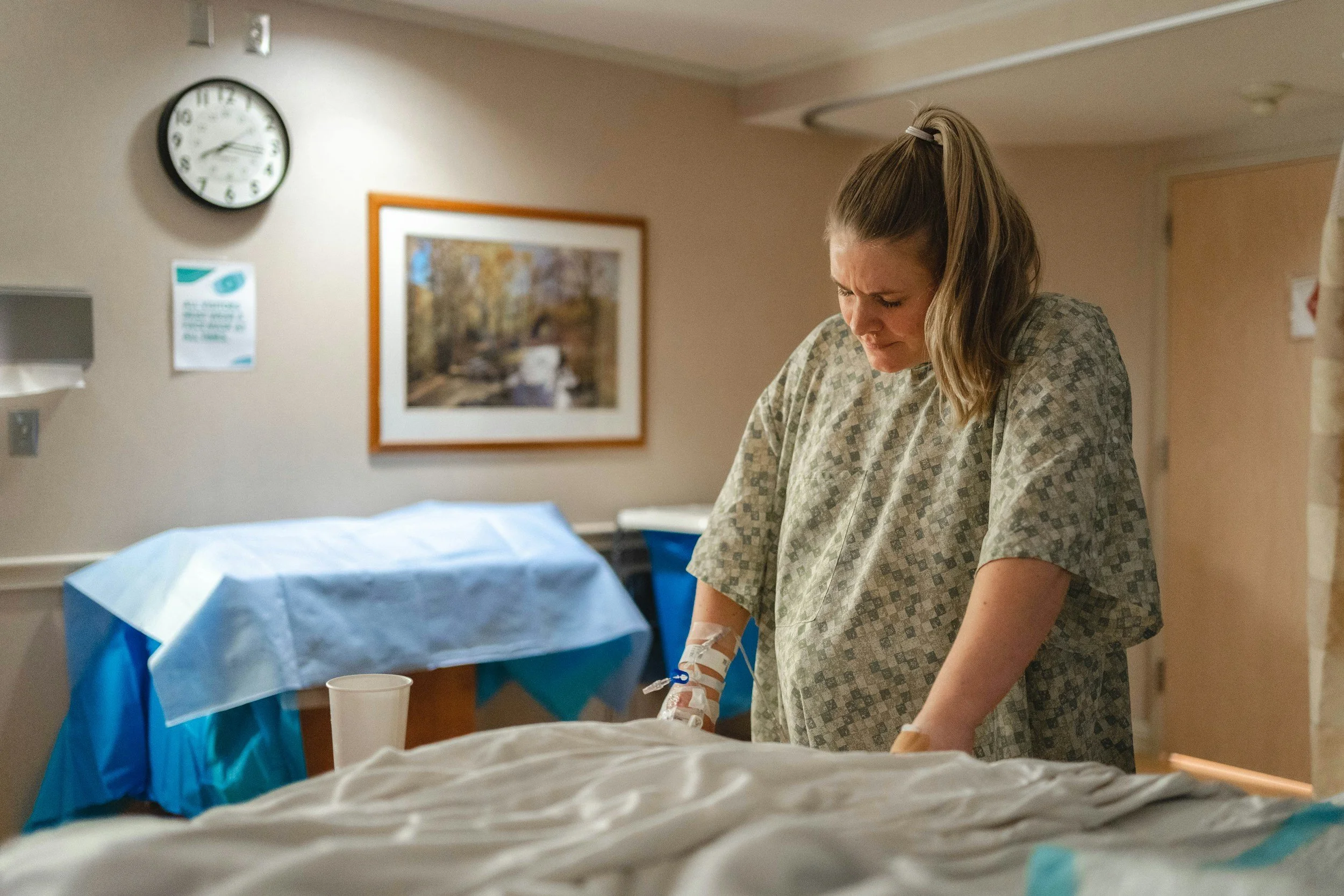
When we think about trauma, we often think about accidents, violence, abuse, or other frightening events.
We don't always think about the hospital room.
The doctor's office.
The emergency surgery.
The diagnosis you weren't expecting.
The procedure where you felt like no one was listening.
The moment someone you loved was rushed away from you and you had no idea what was happening.
Medical care is supposed to help us feel better. But sometimes the experience of receiving medical care can leave its own emotional wounds.
This is something we call medical trauma.
And one of the most important things I want people to understand is that medical trauma isn't determined only by how serious a procedure or diagnosis looked from the outside.
It is also about how you experienced what happened to you.
What Is Medical Trauma?
Medical trauma can develop after frightening, painful, invasive, unexpected, or overwhelming experiences involving medical care.
For some people, it happens after one major event.
For others, it develops after months or years of appointments, procedures, diagnoses, surgeries, fertility treatments, chronic illness, or feeling dismissed by providers.
You might have experienced:
An emergency surgery
A frightening diagnosis
A difficult hospitalization
Pregnancy or birth complications
A NICU stay
A serious illness
Repeated medical procedures
Infertility treatments
A medical emergency involving your child
Severe pain that wasn't adequately addressed
Feeling dismissed or unheard by medical providers
Losing control over what was happening to your body
You may have physically recovered while realizing that emotionally, something still doesn't feel settled.
That's often the confusing part.
The medical crisis is over.
So why doesn't your body seem to know that?
Medical Trauma Can Show Up Long After You Leave the Hospital
Trauma doesn't always look like constantly thinking about what happened.
Sometimes it shows up in ways you don't immediately connect to the medical experience.
You might notice your heart racing before an appointment.
You avoid scheduling routine medical care.
The smell of a hospital makes your stomach drop.
Seeing medical equipment brings you right back to what happened.
You constantly research symptoms because you're terrified something has been missed.
Or you have trouble trusting doctors even when you genuinely want their help.
Some people experience intrusive memories, nightmares, panic, irritability, emotional numbness, or a strong need to control anything related to their health.
Others feel completely fine until something reminds them of the experience.
And suddenly their body reacts before they've even had time to think.
"But The Doctors Saved My Life. Shouldn't I Just Be Grateful?"
This is where medical trauma can become complicated.
You can be grateful for your medical care and traumatized by what happened.
Those things are not mutually exclusive.
Maybe the doctors did everything medically necessary.
Maybe your baby survived.
Maybe the surgery worked.
Maybe you're healthy today.
And maybe the experience was still terrifying.
People sometimes minimize their own trauma because the outcome was ultimately positive.
They tell themselves:
"Other people had it worse."
"I survived."
"My baby is healthy."
"I shouldn't complain."
"The doctors were just doing their jobs."
But gratitude doesn't erase fear.
A positive outcome doesn't automatically erase what your nervous system experienced along the way.
You are allowed to acknowledge both.
Losing Control of Your Body Can Be Traumatic
One theme that often appears in medical trauma is loss of control.
During medical treatment, you may be asked to surrender control of your body to people you don't know.
There may be procedures you don't fully understand.
Decisions may need to happen quickly.
People may be touching you, examining you, moving you, or talking about you while you're frightened and overwhelmed.
Sometimes you don't have the time or emotional capacity to process what's happening until much later.
Your brain and body are focused on getting through it.
Then you go home.
Life returns to "normal."
And that's when everything you pushed through can begin showing up.
Medical Trauma and Birth Trauma Can Overlap
Medical trauma is also something I think about often in my work with parents.
Birth is a medical experience, but we don't always talk about it that way.
We talk about the excitement.
The baby.
The photos.
The announcement.
But for some parents, labor and delivery involved emergency interventions, severe pain, complications, feeling ignored, fear for their baby's life, fear for their own life, an unexpected C-section, or a NICU stay.
Everyone around you may be celebrating that the baby is healthy while you're still trying to understand what happened to you.
You may even feel guilty for struggling because you think you should simply be happy.
You can love your baby deeply and still need space to process the way they entered the world.
Both can be true.
Why Medical Appointments Can Become Triggers
One of the most frustrating parts of medical trauma is that avoiding healthcare completely isn't always possible.
You still need checkups.
Your children still get sick.
You may need follow-up appointments.
You may have ongoing health conditions.
So you repeatedly encounter reminders of the thing your nervous system is trying to avoid.
That can create a difficult cycle.
You know you need medical care.
Your body interprets medical care as danger.
You avoid the appointment.
Your anxiety grows.
Then eventually you need the appointment even more.
Part of trauma therapy can involve understanding this cycle and helping your nervous system separate what happened then from what is happening now.
Therapy for Medical Trauma Doesn't Mean Replaying Everything
People sometimes hesitate to seek trauma therapy because they imagine having to sit down and immediately tell every painful detail.
That's not how I work.
Trauma therapy should be paced.
Before we process difficult experiences, we may spend time understanding your reactions, identifying triggers, building regulation skills, and helping you feel more grounded.
Depending on your needs and readiness, I may incorporate approaches such as EMDR, Brainspotting, IFS-informed work, and other trauma-informed strategies.
There isn't one correct way to process trauma.
And there isn't a timeline you have to follow.
Your Body May Be Responding to Something Your Mind Has Tried to Move Past
One of the things I tell clients is that sometimes we intellectually understand an experience long before our nervous system catches up.
You may know the surgery is over.
You may know you're safe today.
You may know this doctor isn't the doctor who hurt you.
And your body can still respond as though something dangerous is happening.
That doesn't mean you're being dramatic.
It means there's something worth paying attention to.
Medical Trauma Therapy in Roseville, CA
If you've experienced a frightening medical event, difficult hospitalization, complicated birth, emergency surgery, or another healthcare experience that still affects you, therapy can provide a space to begin making sense of what happened.
I offer trauma therapy in Roseville, CA and online throughout California for adults navigating trauma and experiences that continue to feel stuck.
You don't have to prove that your experience was "bad enough."
And you don't have to wait until your symptoms become unbearable.
Sometimes healing begins by finally giving yourself permission to acknowledge:
That was hard. That affected me. And I deserve support too.
