
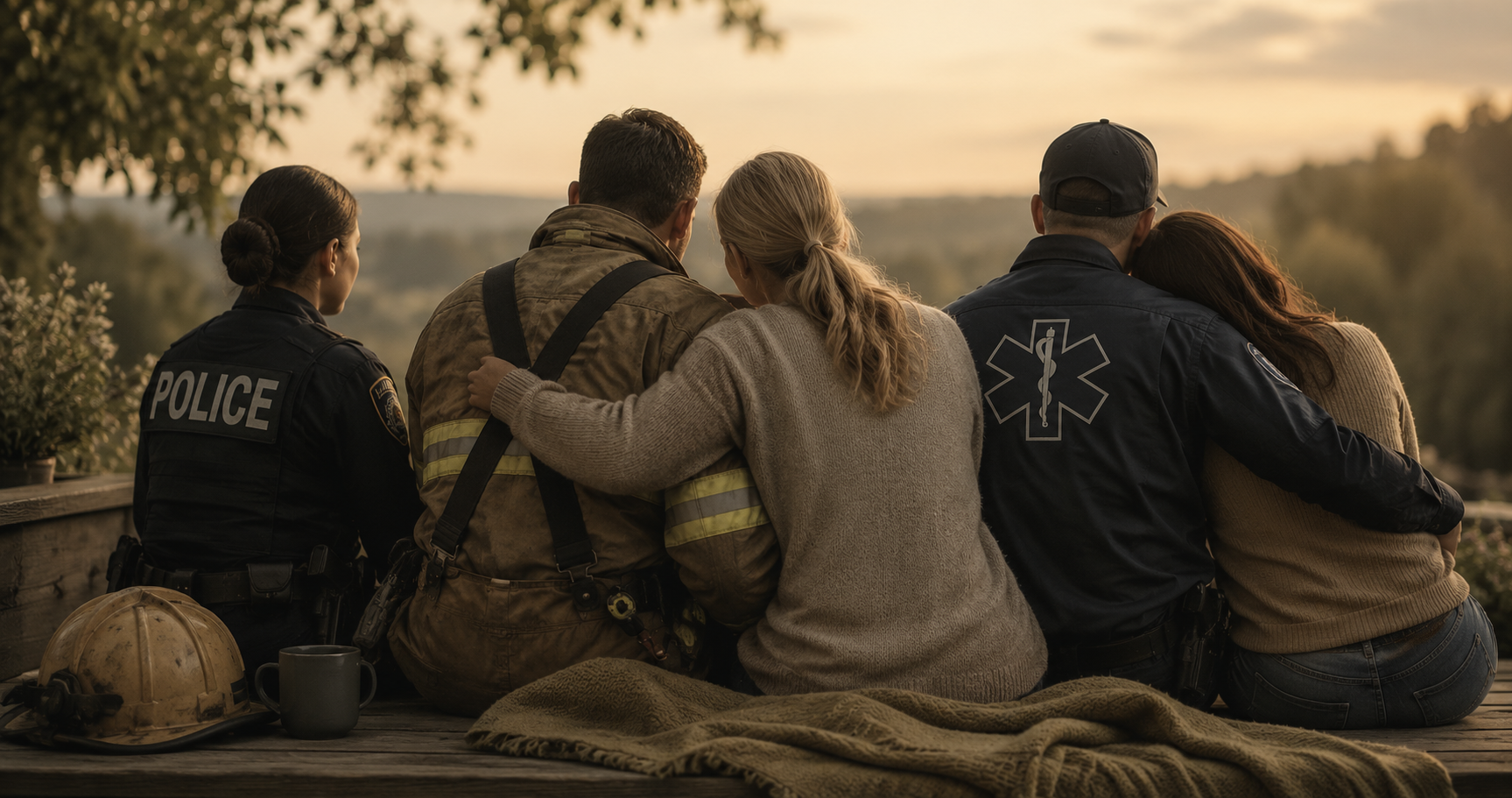
First Responders & First Responder Spouses
When the job asks you to be unshakable, the cost shows up at home.
Does this sound familiar? You keep your head down at work, you do what needs to be done, and you carry the weight alone…until…the irritability, numbness, or distance shows up where you least expect it.

Here’s what’s really happening
Does this sound familiar?
First responders are trained to move toward crisis, to stay steady in chaos, and to keep the team and the public safe. That training is essential, but it also teaches you to hold things in. Call after call, shift after shift, the emotional load accumulates.
Over time, that load can show up as:
Irritability, hypervigilance, or being “on edge.”
Loss of enjoyment, low motivation, and low energy.
Isolation and withdrawal from family or friends.
A cynical or hardened view of people and the world.
Difficulty sleeping, intrusive memories, or emotional numbing.
A heavy weight from moral injury and mistrust after admin betrayal.
Intrusive thoughts after a critical incident.
"“Spouses, you matter. You carry a weight that is often unseen and misunderstood.”
"The toll of the job, the silent burden”
Partners and spouses carry a different kind of burden. You often shoulder the household responsibilities, manage the emotional fallout, and try to protect the family while watching the person you love change. That weight is real, and it’s frequently unseen and misunderstood.
Couples face unique challenges: small misunderstandings become bigger, safety in the relationship can feel fragile, and communication breaks down under the strain of the job.
These experiences are common in the first responder community. They reflect the real cost of doing work that demands strength in the moment and leaves you carrying what comes after in silence.
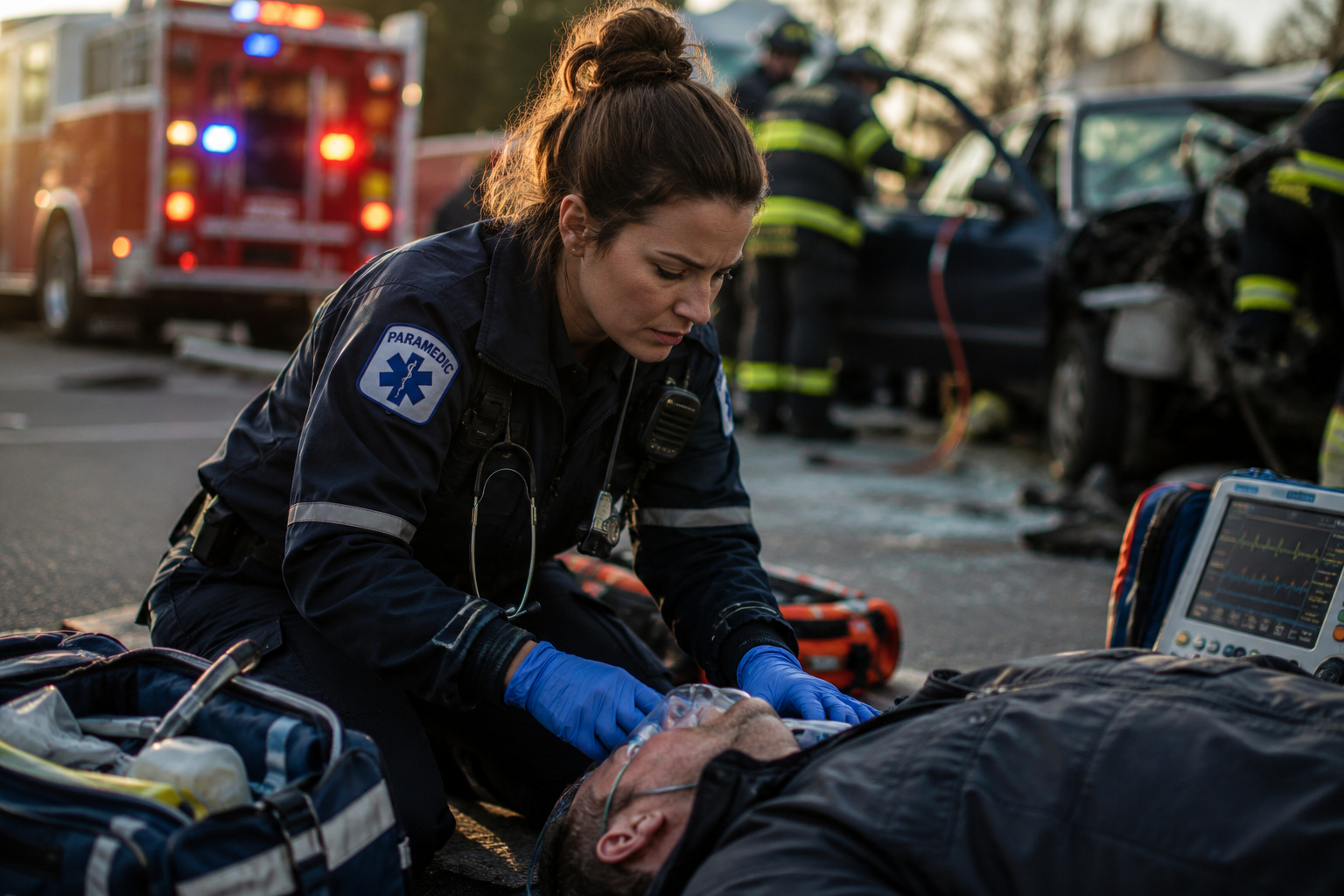
How I work with first responders and their families
I provide culturally competent trauma‑informed therapy tailored to first responders, their spouses, and couples affected by work stress, demands of the job, and more. My approach blends practical skills, relational work, and Brainspotting, a trauma modality that helps access material that words alone sometimes can't reach.
Together we will:
Name what's happening in a way that reduces shame and isolation.
Regulate the nervous system with tools you can use between shifts and at home.
Process critical incidents and the cumulative stress that follows them.
Repair connections in relationships through Imago‑informed couples work and communication practice.
Build a plan for sustainable coping that fits your life and schedule.
Sessions are straightforward, grounded, and paced to what your nervous system can handle. I meet you where you are with no platitudes and no pressure, just steady, practical support.

Why this work matters here
-
That realization changed everything. I stopped assuming silence meant “everything’s fine” and started listening for the stories that weren’t being told. I began to focus my clinical training on the realities I’d seen up close: the cumulative stress of call after call, the strain on partners who hold the household steady, and the unique ways first responder culture shapes how people ask for or avoid help.
That combination of lived experience and clinical skill is why I do this work. Because I’ve lived it, I notice things others might miss: the small shifts in mood that follow a tough tour, the ways a partner’s worry shows up as frustration, or the quiet exhaustion that looks like “just being tired” but runs deeper. I bring that attention into sessions with respect and curiosity. My goal is to make therapy feel like a practical, trustworthy place where first responders and their families can name what’s happening, learn tools that actually fit their lives, and rebuild connection on their own terms.
If you’re carrying the weight of the job, whether you’re the responder or the one holding the home, I’ll meet you where you are. I know the culture, the silence, and the small, meaningful ways healing begins all too well. My work is shaped by that experience, and I’m here to support others who are ready to find steadier ground.
First Responders & First Responder Spouses Trainings I've Completed:
Brainspotting for First Responders and Military Personnel by Jennifer Alexander
Assisting Individuals in Crisis and Group Crisis (CISM) by the International Critical Incident Stress Foundation
First Responder Treatment Provider by the International Trauma Training Institute
Certified First Responder Provider by the International Trauma Training Institute
Certified Clinical Trauma Professional by Evergreen Certifications
You don't have to carry it alone.
If the job has started to show up in your life in ways that feel heavy or confusing, you don’t have to carry it alone. Schedule a free 20‑minute consult so we can talk about what you’re facing and whether we’re a good fit.
Frequently Asked Questions
-
Getting started is simple. Reach out through our contact form or schedule a call, we’ll walk you through the next steps and answer any questions along the way.
-
Please see our rates and investments page for pricing information.
-
Therapy can be beneficial for anyone who is experiencing emotional challenges, stress, anxiety, relationship difficulties, life transitions, grief, trauma, or simply wants to better understand themselves. You do not need to be in crisis to seek support. Many people come to therapy because they want a safe, nonjudgmental space to process their thoughts, gain new coping skills, and improve their overall well-being.
-
Your first therapy session is an opportunity for us to get to know each other. We will discuss what brings you to therapy, your goals, personal history, and any concerns you may have. This session is also a chance for you to ask questions and determine whether the therapeutic relationship feels like a good fit. There is no pressure to share everything at once, we will move at a pace that feels comfortable for you.
-
The frequency of therapy depends on your unique needs and goals. Many clients begin with weekly sessions to build momentum and establish support. As progress is made, some individuals transition to biweekly or monthly sessions. Together, we will create a schedule that best supports your healing and growth.