
Postpartum Anxiety Isn't Just 'New Mom Worry': When It's Time to Reach Out
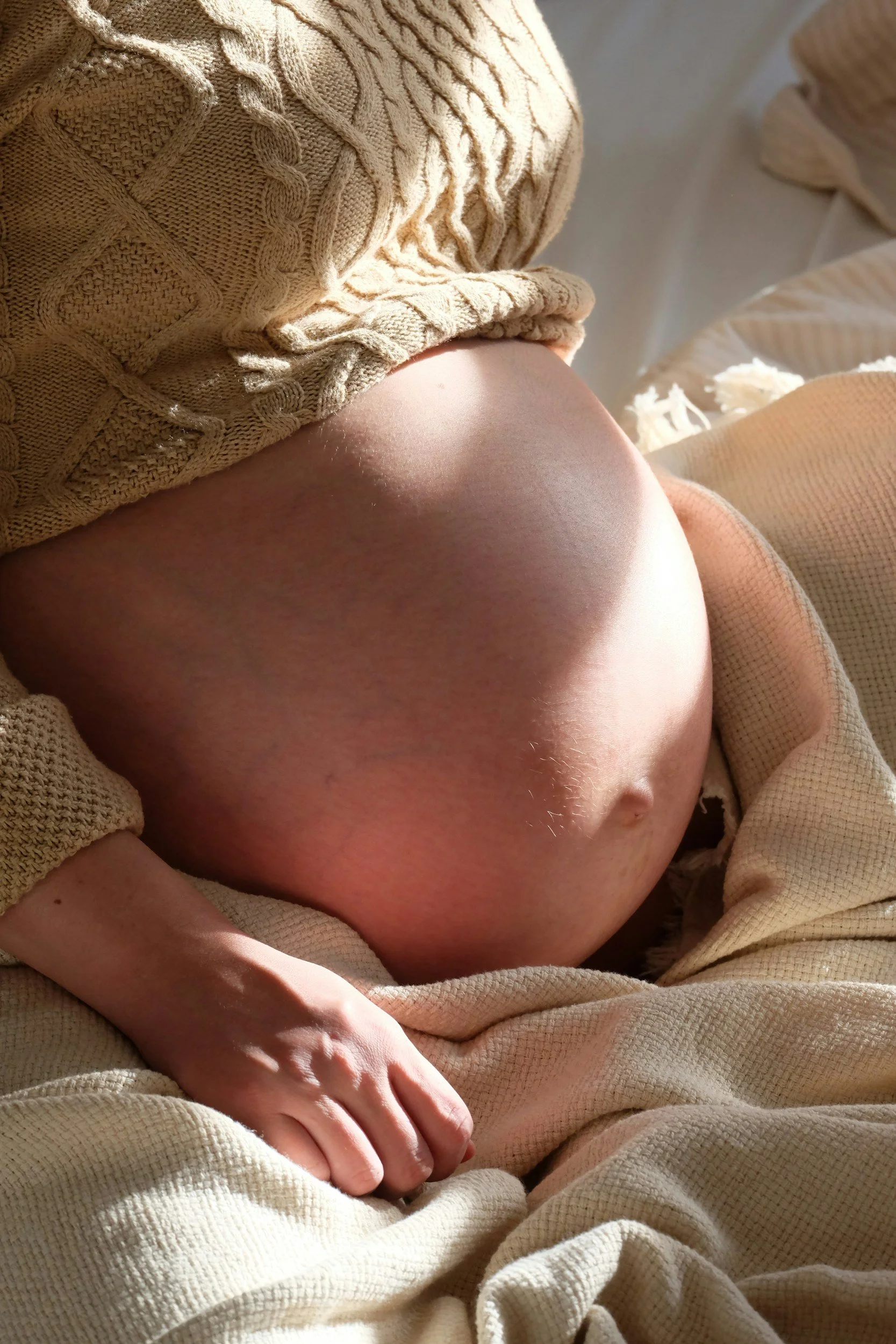
Becoming a parent changes everything. While many people expect sleepless nights, endless diaper changes, and the physical exhaustion that comes with caring for a newborn, fewer expect the emotional rollercoaster that can follow. We often hear about the joy of bringing home a baby, but we don't always talk about the fear, worry, or overwhelming thoughts that can come alongside it.
For many new parents, those feelings are temporary as everyone adjusts to a new routine. But sometimes the anxiety doesn't fade. Instead, it grows louder, making it difficult to enjoy this new season of life.
If you've found yourself wondering, "Is this normal?" or "Why can't I just relax?" you're far from alone.
Understanding Postpartum Anxiety
Postpartum anxiety is incredibly common, yet it often goes unrecognized. While postpartum depression receives much of the attention, anxiety after childbirth affects many parents as well. Unfortunately, because so many people assume they're simply being an overly cautious new parent, they suffer in silence.
You may even tell yourself things like:
"Every mom worries."
"I'm just exhausted."
"I should be grateful."
"I can handle this on my own."
These thoughts can make it even harder to reach out for help.
The truth is, postpartum anxiety is not a reflection of your love for your baby or your ability to be a good parent. In fact, many parents experiencing anxiety are incredibly devoted, they care so deeply that their nervous system becomes stuck in a constant state of alert.
Signs You May Be Experiencing Postpartum Anxiety
Every person's experience is different, but some common symptoms include:
Constant worry that you can't seem to control
Racing thoughts that won't slow down
Feeling like something terrible is about to happen
Trouble sleeping, even when your baby is asleep
Difficulty relaxing or sitting still
Feeling restless, tense, or on edge
Repeatedly checking on your baby
Irritability or feeling overwhelmed by small things
Physical symptoms such as a racing heart, nausea, dizziness, or tightness in your chest
Some parents also experience intrusive thoughts, unwanted images or fears about something happening to their baby. These thoughts can feel incredibly frightening, but they are actually much more common than many people realize. Having these thoughts does not mean you want to act on them. It simply means your brain is operating in overdrive, trying to protect the person you love most.
Why Postpartum Anxiety Happens
There isn't one single cause of postpartum anxiety. Instead, it's often the result of several factors coming together.
Hormonal changes after childbirth can affect your mood and nervous system. Sleep deprivation makes it more difficult for your brain to regulate stress. Becoming responsible for an entirely new human being can naturally increase feelings of worry.
For some parents, a difficult pregnancy, traumatic birth experience, previous anxiety, perfectionism, or a lack of support can also increase the likelihood of postpartum anxiety.
It's important to remember that none of this means you've done anything wrong.
You Don't Have to "Push Through"
Many new parents believe they just need more sleep or more time. While rest certainly helps, anxiety that continues for weeks or begins interfering with daily life deserves attention.
If your worries are keeping you from enjoying your baby, affecting your relationships, preventing you from sleeping, or leaving you feeling constantly overwhelmed, it's okay to ask for help.
You don't have to wait until things become unbearable.
Therapy offers a safe, judgment-free space to talk openly about what you're experiencing. Together, we can explore what's contributing to your anxiety, learn practical tools to calm your nervous system, challenge unhelpful thought patterns, and help you reconnect with yourself during one of life's biggest transitions.
Healing Is Possible
Healing doesn't happen overnight, but it absolutely happens.
Many parents who begin therapy tell me they finally feel understood for the first time. They learn that they're not "crazy," they're not failing, and they're certainly not alone. With the right support, they begin to experience more peace, greater confidence, and the ability to enjoy their growing family in ways they never thought possible.
Asking for help isn't weakness. It's one of the most loving things you can do for yourself, your baby, and your family.
If you're struggling after welcoming your baby, know that you don't have to carry this alone. Support is available, and you deserve to feel like yourself again.
If you're ready to take the first step, I'd love to help. Schedule a free consultation, and let's talk about how therapy can support you during this season of life.
